Simpler Recycling is being introduced to change how businesses in England manage their waste. The overall aim of this initiative is to make recycling easier for businesses of all sizes while increasing recycling rates and reducing the amount of recyclable materials disposed of in general waste bins. From small offices and cafes to larger organisations with hundreds of employees, Simpler Recycling will help businesses manage their waste properly and more effectively with the aim of separating their waste in the correct waste disposal streams.
Simpler Recycling Explained
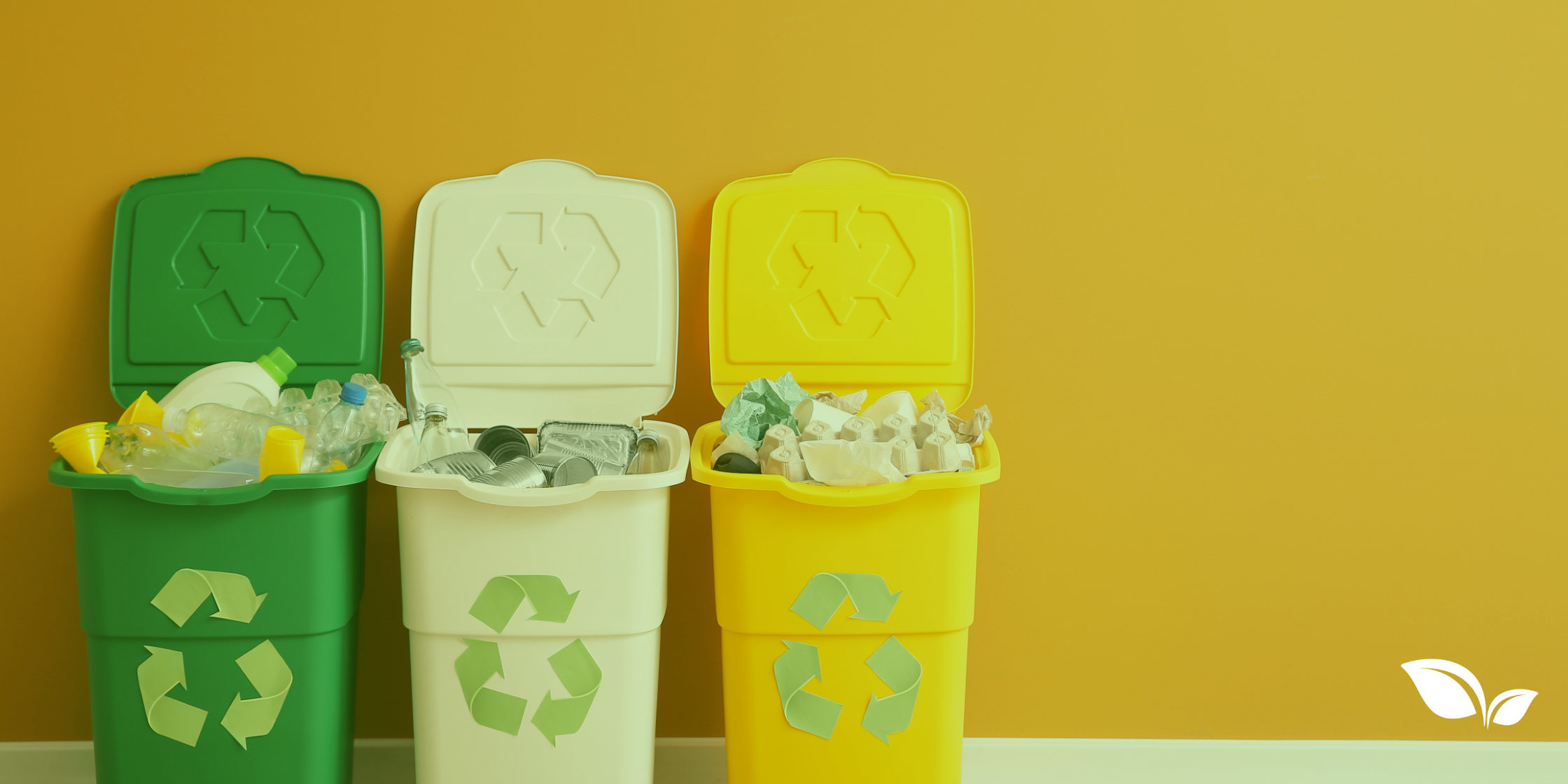
The legislation behind Simpler Recycling is designed to create a more eco-friendly and consistent approach across England towards recycling and waste disposal. Simpler Recycling will require all businesses to separate their waste streams in a standardised way, with each waste type being recycled differently. For many businesses, the biggest change will be ensuring that the right bins are available so recyclable materials are segregated are kept separate from general waste, as well as different types of recyclable waste. This requires businesses to have separate bins for general waste, dry mixed recycling (DMR), food waste and glass recycling, helping to ensure waste can be collected and recycled correctly.
What Is Simpler Recycling in Plain English?
In simple terms, Simpler Recycling is a new set of rules that require businesses to separate recyclable materials to avoid putting all their waste into the same bin. The overall aim is to make recycling easier for businesses and improve the quality of recyclable materials collected, ultimately reducing the amount of waste that is sent to landfill sites.
Why Are Recycling Rules Changing?
The UK Government is aiming to create a more sustainable and consistent recycling system across England with the objective of increasing recycling rates and improving the correct disposal of waste streams. Over the last few years, what could and couldn’t be recycled has been a little blurred, with requirements varying from different sources. Simpler Recycling is aiming to clearly define the materials that can and can’t be recycled whilst providing guidance on how to segregate recyclable waste effectively for environmental purposes.
Who Needs to Pay Attention to Simpler Recycling?
Simpler Recycling will affect a wide range of organisations, including:
- Small businesses
- Medium-sized businesses
- Large businesses
- Offices
- Cafés and restaurants
- Retail shops
- Schools and colleges
- Healthcare environments
- Charities and non-household premises
While implementation dates vary depending on organisation size, most businesses should already be reviewing how they dispose of their waste currently and how they can become compliant in accordance with Simpler Recycling.
What Does Simpler Recycling Mean for My Business?
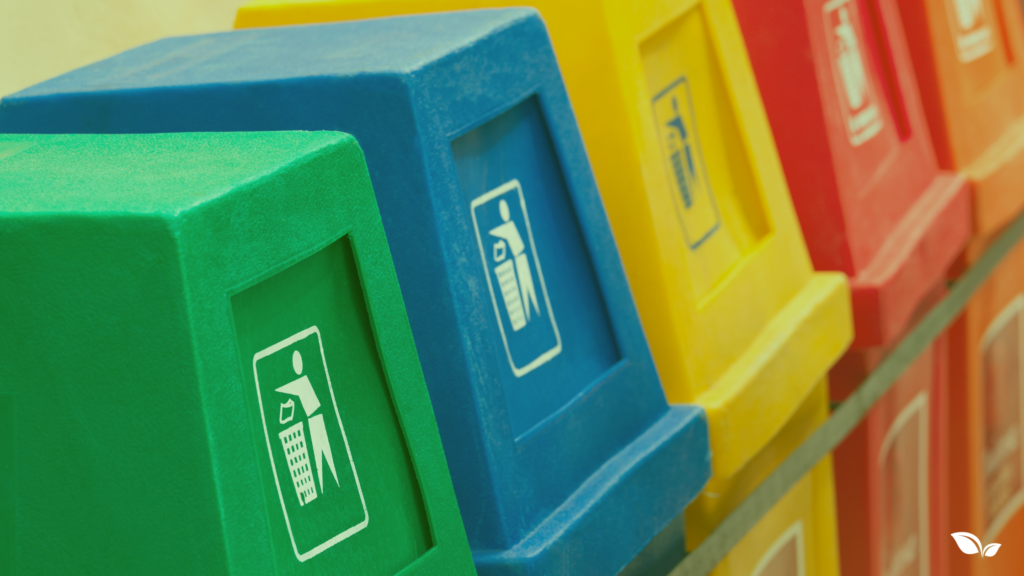
Simpler Recycling requires businesses to closely monitor how their waste is produced, stored and disposed of. To make this happen, businesses of all sizes need to ensure that they have the correct bins available so that their waste is separated correctly. They will also need to work with a waste collection provider that supports compliant collections to adhere to Simpler Recycling requirements.
Separating Waste Correctly
Separating waste correctly into different containers is one of the most important elements of Simpler Recycling. This ensures recyclable materials can be processed properly with materials extracted so that they can be recycled efficiently without being contaminated by general waste.
Using the Right Bins
Having the right bins in the right locations makes recycling much easier. Staff and customers are far more likely to recycle correctly when bins are clearly labelled and easy to access. The exact bins required will depend on the type of waste your business produces.
Reducing Recycling Contamination
When non-recyclable materials (such as food waste) are disposed of alongside recyclable waste, the recyclable waste becomes contaminated, meaning the entire load can’t be recycled and is therefore wasted. By enforcing correct waste segregation, recycling rates should hopefully improve along with rejected collections, meaning more materials can be extracted and recycled properly.
What Bins Might a Business Need?
| Bin Type | What Goes in It |
| General Waste | Non-recyclable waste |
| Mixed Recycling | Paper, cardboard, plastics and cans |
| Food Waste | Food scraps and leftovers |
| Glass Recycling | Glass bottles and jars |
This is just a surface-level overview. The exact combination of bins a business needs depends on both the amount and the type of waste they produce. For example, a small to medium-size office may produce little food waste but large amounts of cardboard and/or paper waste, whereas a restaurant may produce large amounts of food waste and glass waste. What remains consistent is that all waste types must be separated and segregated properly in accordance with Simpler Recycling.
Please note: Further Government guidance is still expected on the collection of some materials, including soft plastic films. These materials may require separate collections in the future, and we will update this guide as more information becomes available.
Common Simpler Recycling Mistakes to Avoid
- Putting Food Waste in General Waste: Food waste always requires separate collection. Mixing food with general waste can make recycling, and specifically the extraction of recyclable materials, more difficult and therefore reduce recycling rates.
- Mixing Recycling with General Waste: Placing waste that can be recycled into general waste bins means that materials will likely be lost and therefore not recycled.
- Not Having Enough Recycling Bins: If recycling bins aren’t easily available, staff may dispose of recyclable materials incorrectly.
- Assuming Existing Arrangements Are Compliant: Just because a waste collection system works today doesn’t necessarily mean it aligns with future recycling requirements.
Simpler Recycling Checklist for Businesses
| Step | Action | What To Do |
| 1 | Review Your Current Waste | Identify the types of waste your business produces. |
| 2 | Identify Waste Streams | Determine which materials belong in general waste, recycling, food waste or glass recycling. |
| 3 | Arrange Collections | Ensure your waste collections align with the waste streams your business generates. |
| 4 | Label Bins Clearly | Use clear signage so employees know exactly which bin to use for each waste type. |
| 5 | Train Employees | Provide simple guidance to help staff separate waste, recycle correctly and reduce contamination. |
Which Businesses Are Most Likely to Be Affected?
- Offices: Offices generate more waste than you would realise. Paper and cardboard waste is to be expected, however, they can often produce large amounts of drinks containers and food waste from kitchen facilities, with the amount depending on the number of employees.
- Cafes & Restaurants: Hospitality businesses typically produce large quantities of food waste along with packaging and glass, making waste separation particularly important.
- Retail Shops: Retail environments commonly generate cardboard packaging, plastics and mixed recyclables from deliveries and day-to-day operations which, can be slightly more straightforward than other industries but still requires the appropriate segregation.
- Schools & Education: Educational settings often produce large volumes of paper, food waste and recyclable packaging across multiple areas, all of which must be segregated properly.
- Healthcare Environments: Healthcare organisations may need to manage recycling alongside specialist waste streams such as clinical, offensive or sanitary waste.
How Waste Basics Can Help
At Waste Basics, we aim to make waste management straightforward and simple. We avoid over-complicating waste collection services by helping small to medium-sized businesses with reliable and cost-effective solutions. We understand that different organisations have different waste requirements and that each business will require suitable bin options to make day-to-day waste management easier. Whether you’re reviewing your current setup or planning ahead for Simpler Recycling requirements, our team can help point you in the right direction.
Conclusion
Simpler Recycling legislation intends to make recycling and waste management as a whole more consistent and easier to understand across England. While some businesses may need to make changes to their current waste arrangements, the principles are relatively straightforward. In a nutshell, businesses are required to separate waste correctly, provide suitable bins and encourage good recycling habits. Reviewing your waste setup now can help to make future compliance a lot smoother and ensure your business is prepared for the upcoming changes.
FAQs
Yes, the requirements of Simpler Recycling will apply to small businesses however the actual implementation deadlines will differ from larger businesses.
Any business, organisation, or workplace that produces food waste, no matter the quantity, must dispose of it separately from their other waste streams in a food waste bin.
Some businesses and organisations may be able to continue using their current recycling bin however it is advised that you review your current waste set up to ensure that waste is segregated in accordance with Simpler Recycling.
If a recycling collection/load becomes contaminated with non-recyclable waste, this can lead to the full collection/load being rejected or the materials being diverted else where for treatment.
The easiest approach is to assess the waste your business produces on a regular basis. A waste management provider can then recommend an appropriate combination of bins and collections based on your requirements.